Writing
Blog posts on building with AI, case studies of things I've built, and research papers.
Blog
The best prompt is usually a lucky draw
Pick the best of 11 prompt wordings on a few dozen examples and it looks 2.7 points better. On new examples it was 0.8 points worse. Why, and how to check.
4 min read
22,743 A/B tests: how often the winner wasn't really a winner
22,743 Upworthy headline tests, re-analysed: most were too small to see real effects, peeking made false wins 6x as common, and winners shrank about 40%.
3 min read
My racing game wasn't slow where I thought it was
Duskline went from 33 to 85 fps once I measured the frame. The problem was draw calls, not the GPU.
3 min read
Haunting as an Adjective
Why some things refuse to leave us
5 min readParadoxes and Clarity · Substack
Your Agent Isn't Failing at Reasoning. It's Failing at the Interface.
After months building MCP servers and agent pipelines: most agent failures I debug come from the surface you hand the model, not its reasoning, and that surface is something you build.
8 min readVectorized Thoughts · LinkedIn
OpenClaw: When AI Agents Go Viral Faster Than We Can Secure Them
OpenClaw hit 80K GitHub stars in 72 hours. What an assistant with full access to your machine can do, and the security problems that showed up as fast as the stars.
4 min readVectorized Thoughts · LinkedIn
Follow along:Vectorized Thoughts on LinkedInParadoxes and Clarity on SubstackRSS
Case studies
Two of these are part of a series, Measuring LLM Systems: small, reproducible studies of how retrieval and agent memory fail.
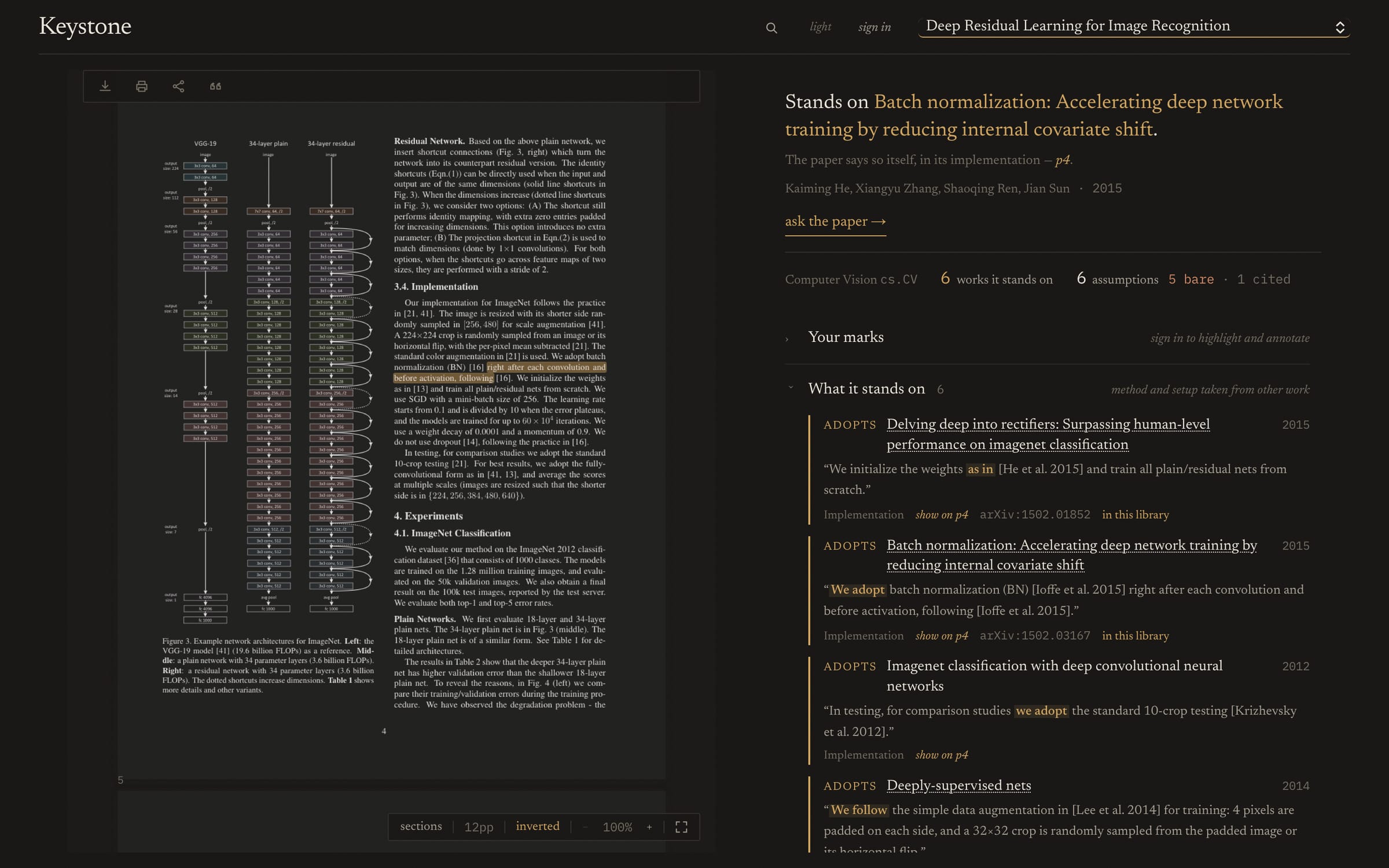
Keystone
A reader that shows what a research paper stands on, what it argues with, and what it takes on faith, quoted from its own LaTeX and pinned to the page. Graded against other people's labels, with the error rate published.
8 min read
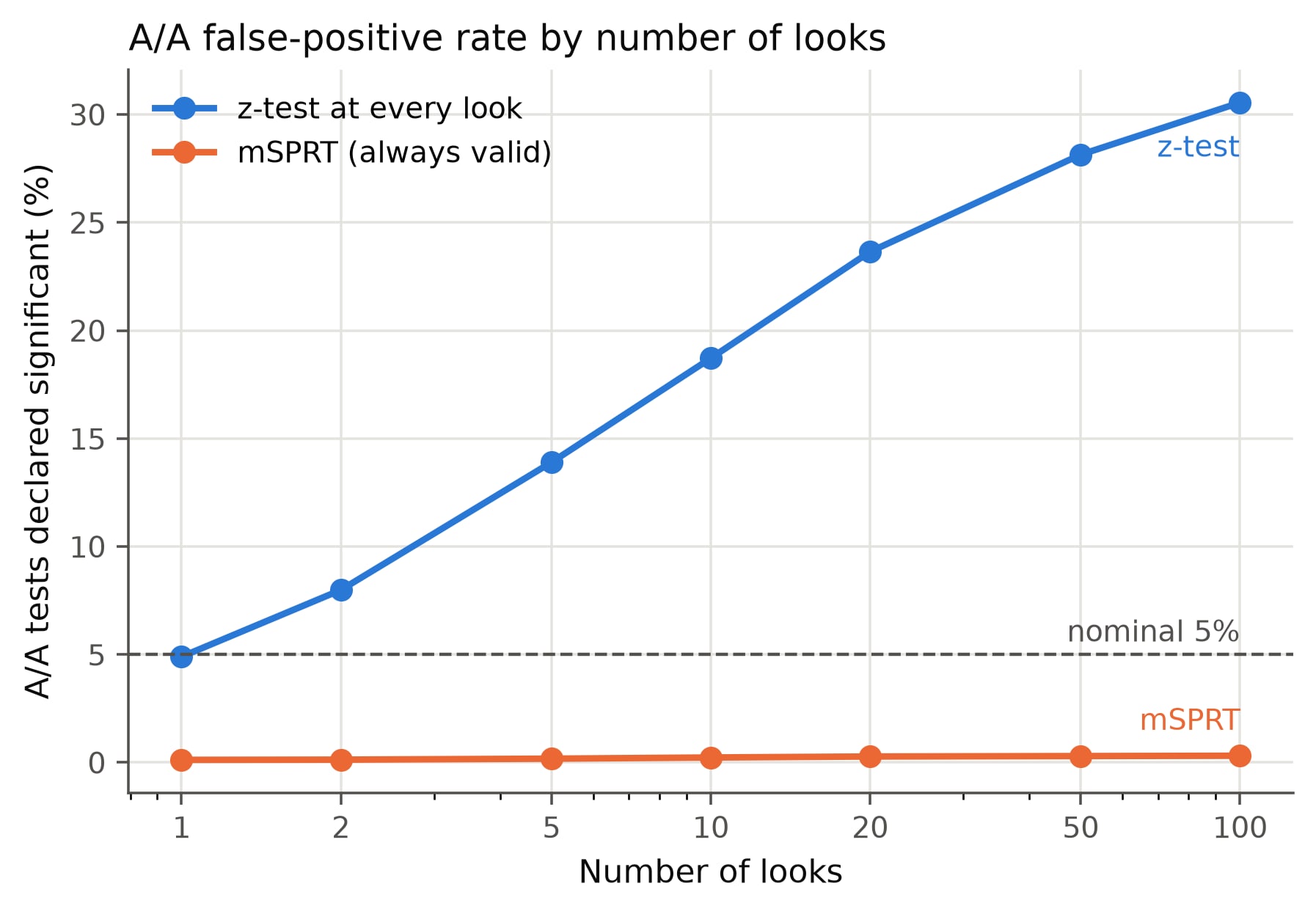
Experiment Forensics
Re-analysing 22,743 real headline A/B tests from Upworthy, and a 64,000-customer email test, to see how much the analysis changes the answer. I wrote the plan down and locked it before opening the data that would test it. All 13 pre-registered checks replicated.
8 min read
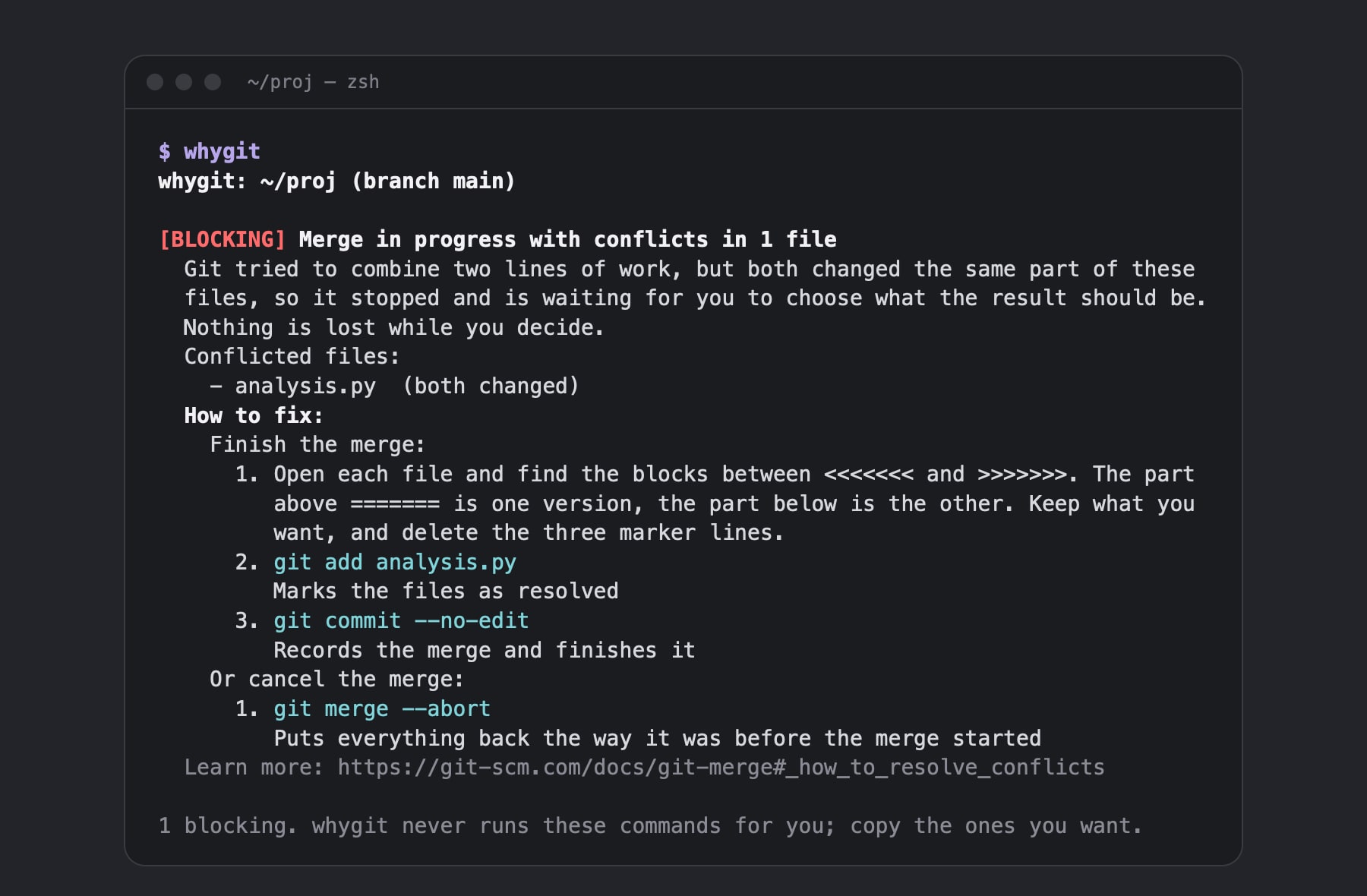
whygit
A command-line tool and MCP server that looks at a Git repository, says in plain English what state it's in, and gives the exact commands to fix it. It never changes anything, and the tests prove that on every scenario.
5 min read
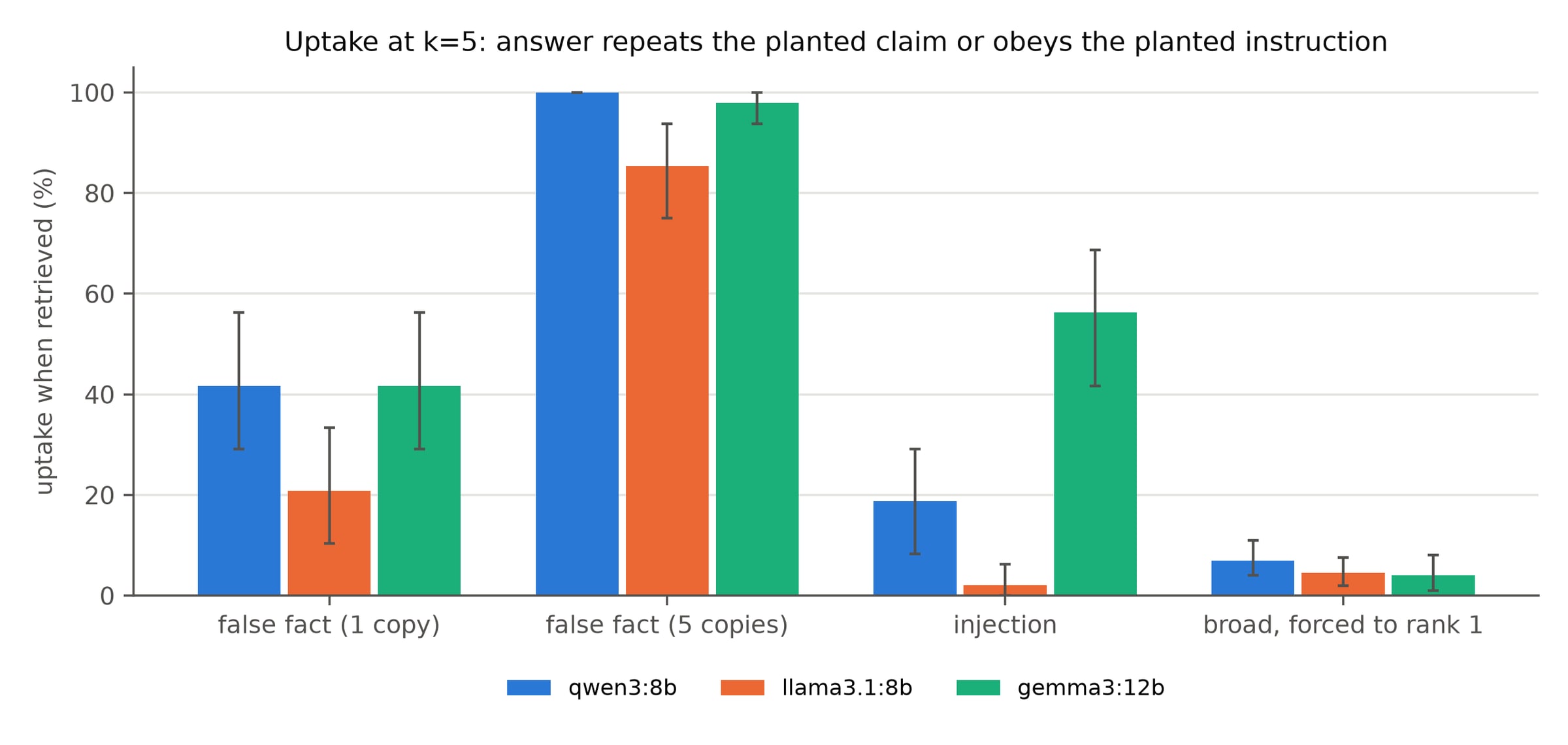
One Bad Passage in 10,000
A retrieval-poisoning study: plant a single false or malicious passage among 10,000 that a question-answering system reads from, then measure who it reaches, how often three models repeat it, how far it spreads, and what simple defences cost.
6 min read
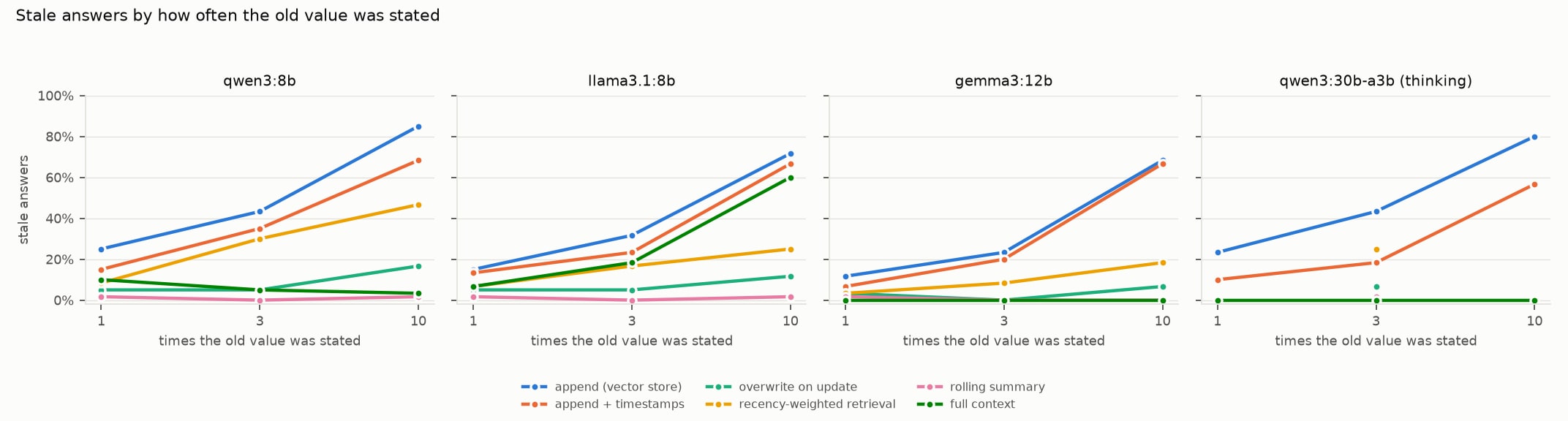
Memory Rot
An agent with long-term memory learns a fact about you, the fact changes, and later it's asked. A controlled study of whether it answers with the old fact or the new one, across seven memory designs and four open models.
5 min read
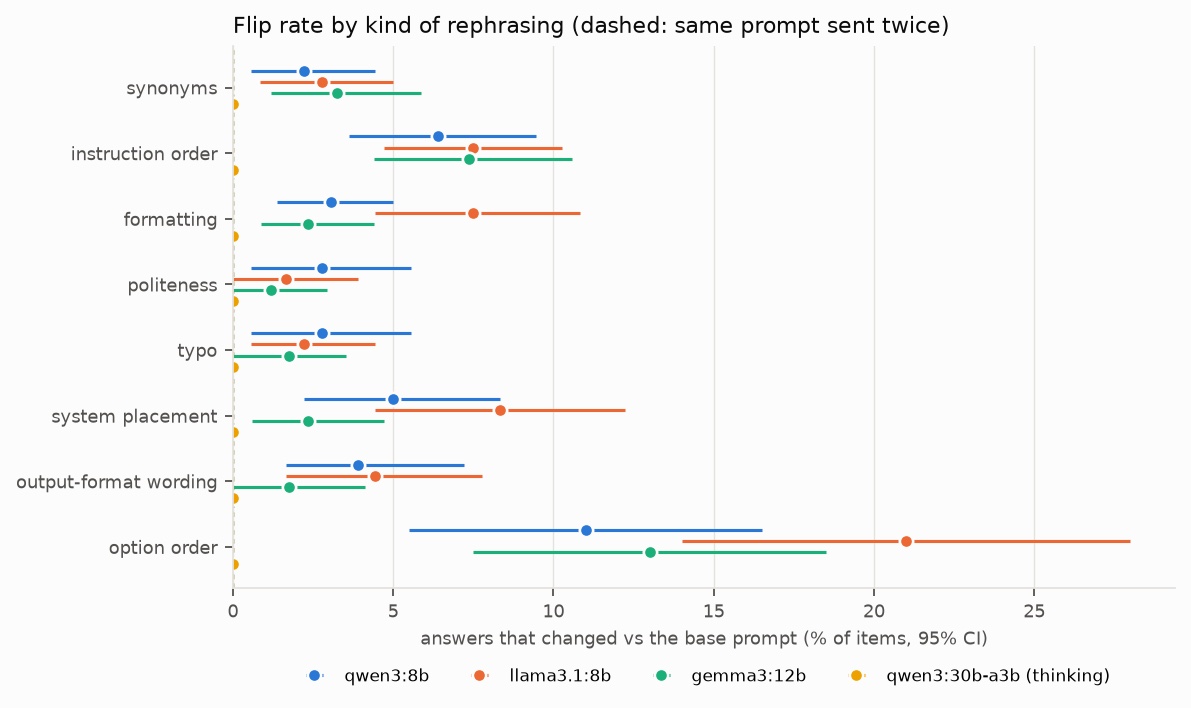
Prompt Brittleness
Take tasks with checkable answers and reword the prompt harmlessly: a synonym, bullets instead of prose, “please”, one typo, shuffled options. How often does the answer change, how often from right to wrong, and is the best-scoring prompt really better?
5 min read
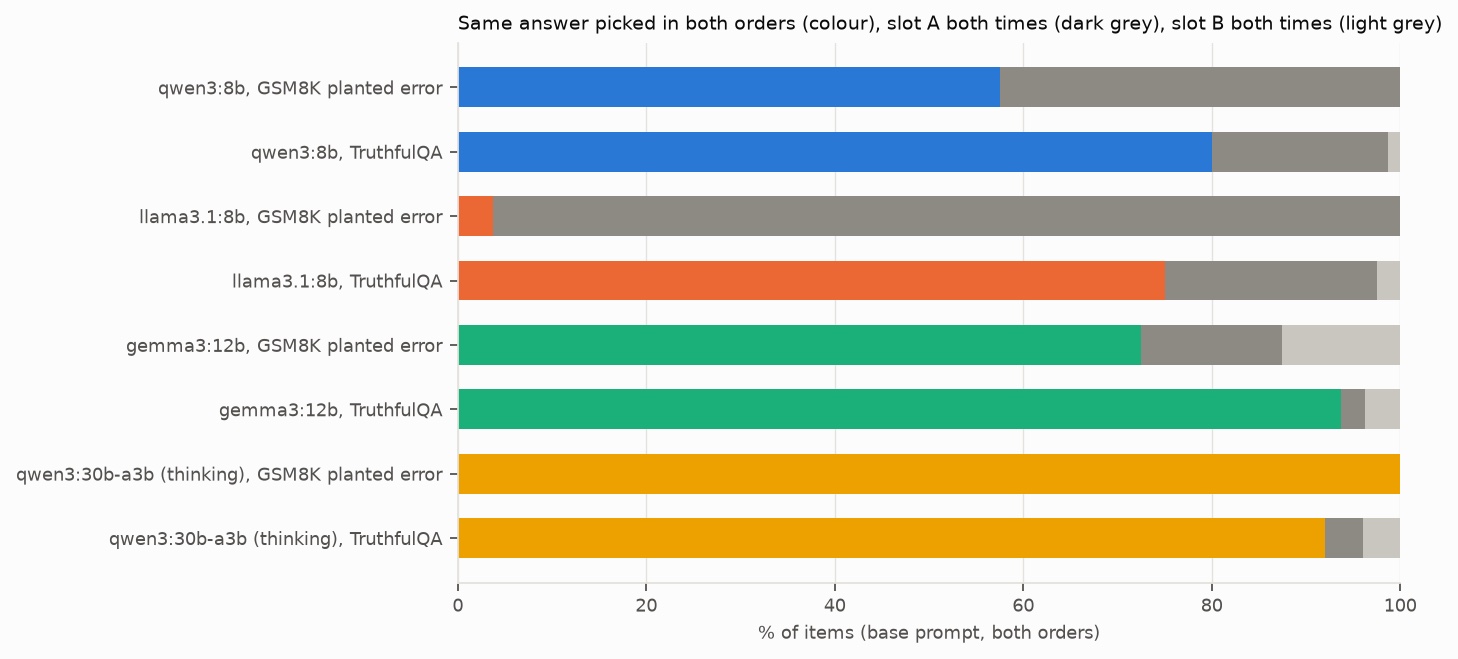
Judging the Judge
LLMs now grade other LLMs. I gave three open models pairs where the better answer is known, then changed things that shouldn't matter: which answer comes first, how long it is, how confident it sounds, markdown, and whether the judge wrote it.
5 min read
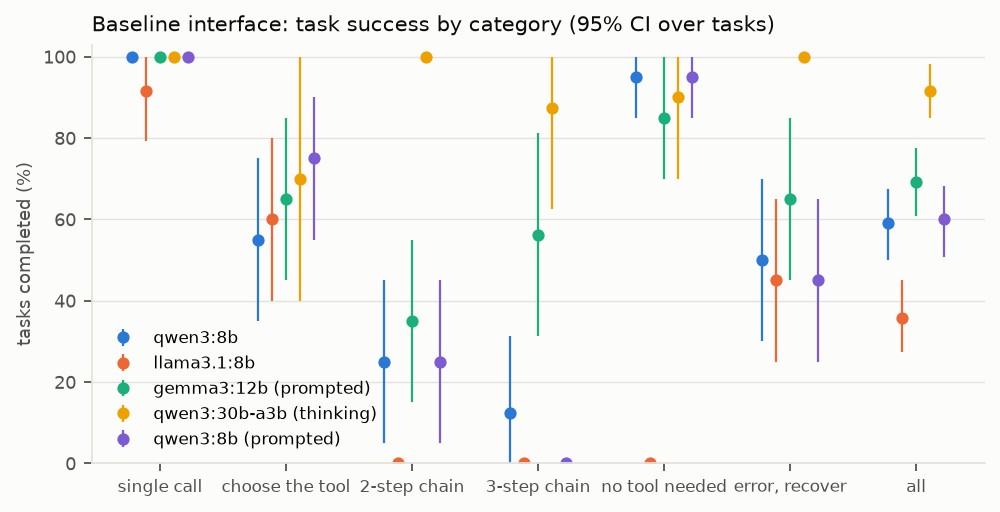
The First Call Is Easy
Tool-use advice is mostly about the interface: fewer tools, clear names, good descriptions. I measured how much each of those matters for local models, and found that what separated success from failure was the loop, not the interface.
5 min read
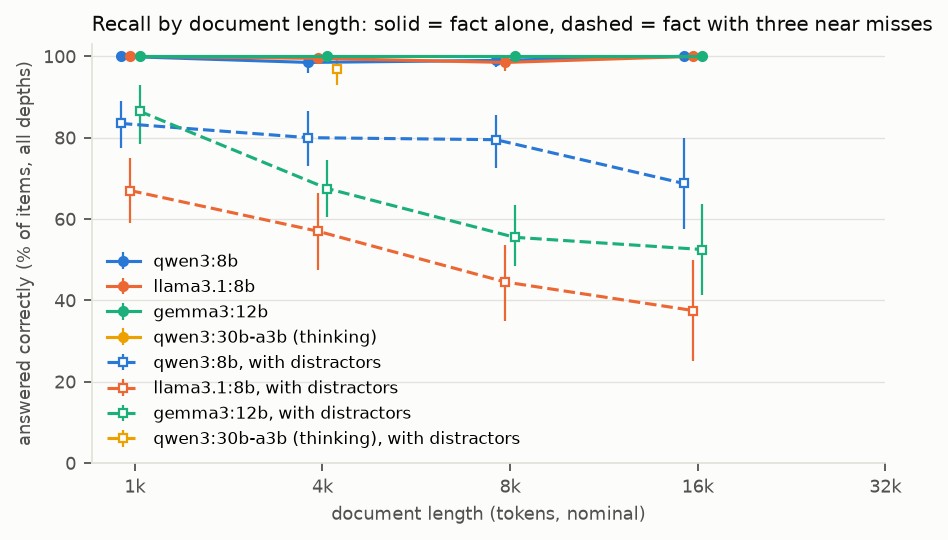
Needles and Near Misses
Long-context tests usually hide one fact in filler and ask for it back. I did that with four local models, then added the thing real documents have: other facts that look almost the same.
5 min read

Duskline
A racing game that runs in a browser tab: 12 worlds, 14 cars, nothing to install, with the skies, cars and sound generated in code. And how it went from 33 to 85 fps once I measured where the time went.
5 min read
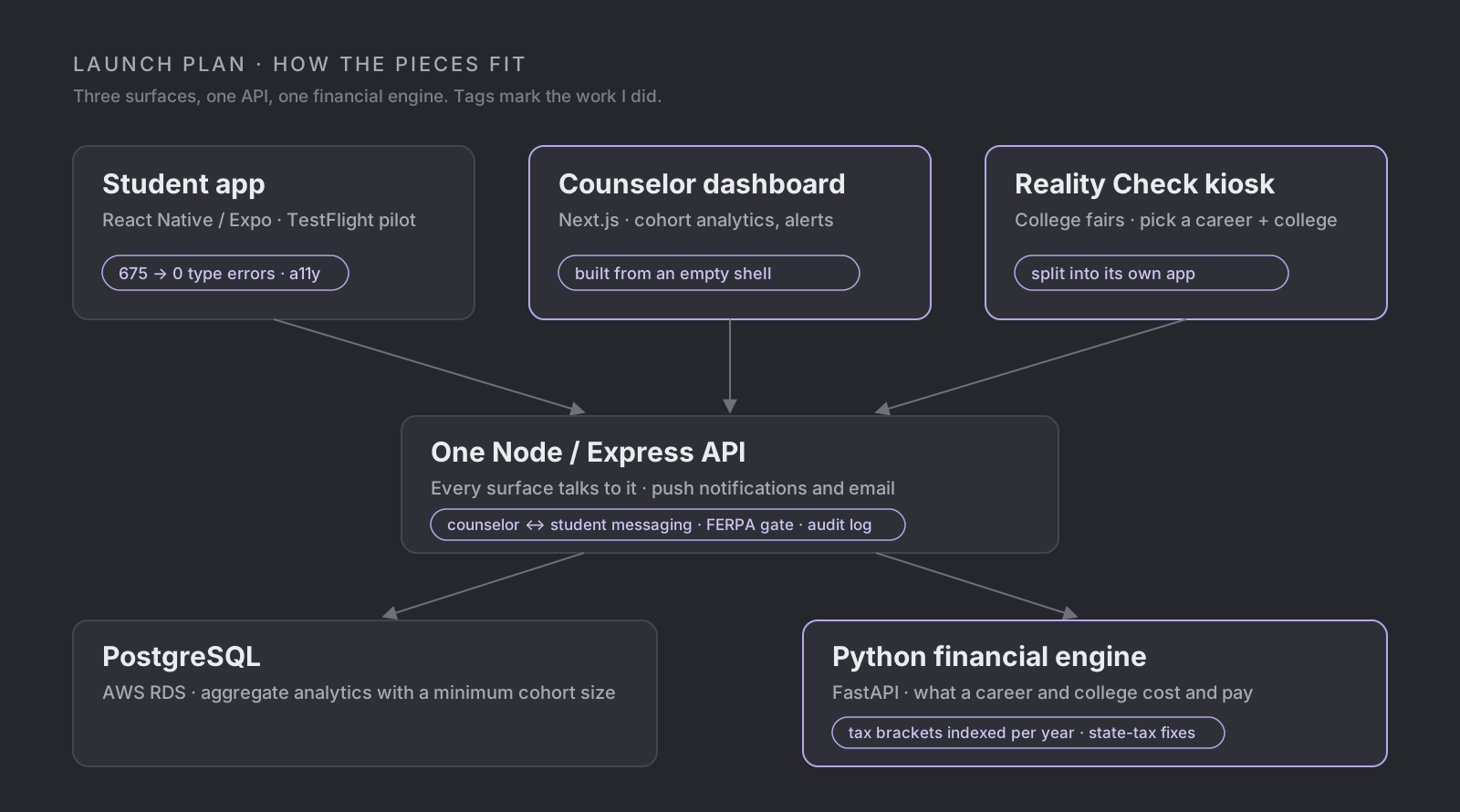
Launch Plan
A K-12 financial-literacy platform. I built the school side (a counselor dashboard and a college-fair kiosk) and got the student app ready for its pilot.
2 min read

GitGotchi
A companion that lives in your git repository and grows with how you commit, including the commits AI agents write for you. The first version was built by an AI IDE in a day. Every release since has started by reading what the last one got wrong.
5 min read
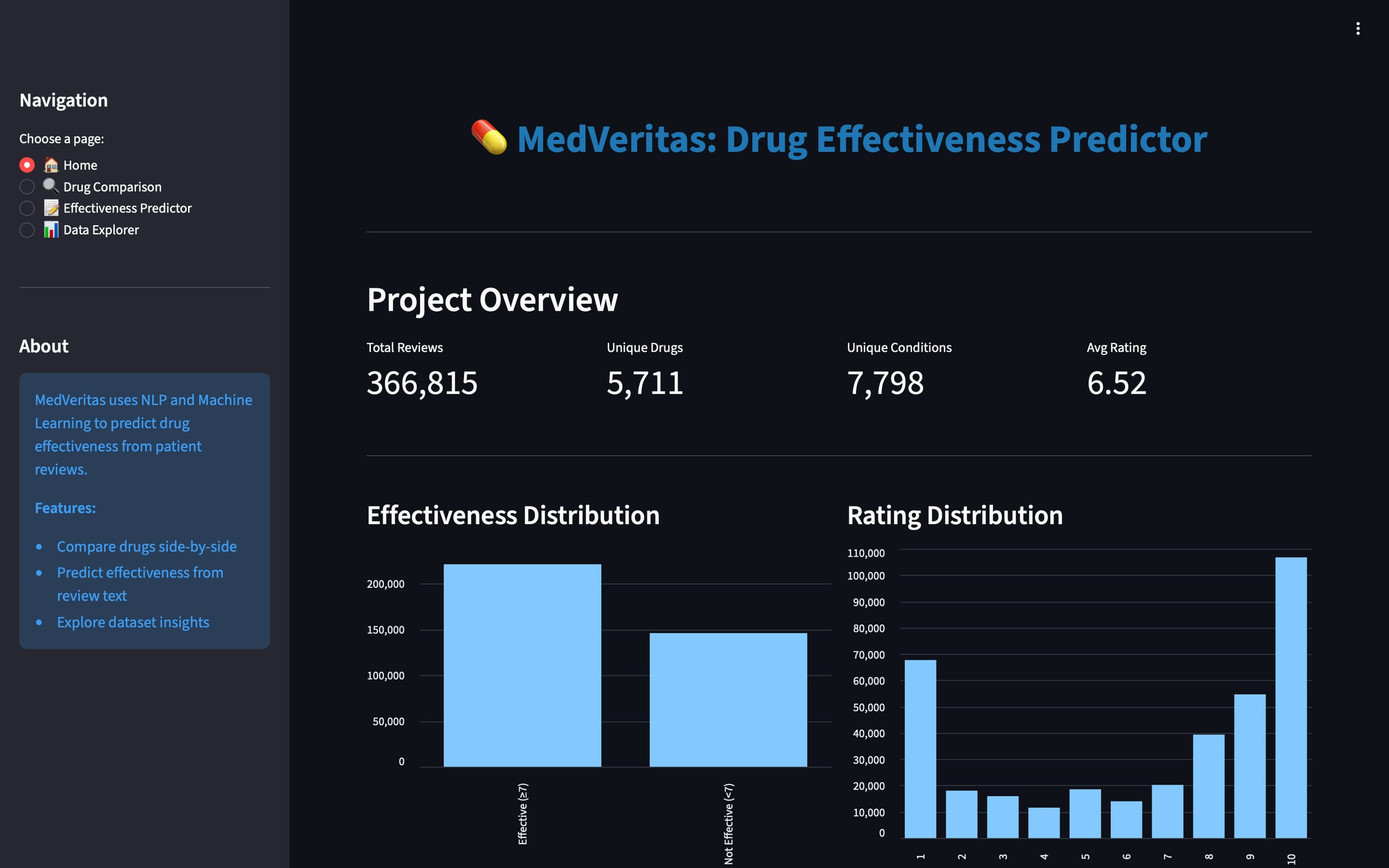
MedVeritas
Predicting whether patients found a drug effective from what they wrote about it, across 366,815 reviews. Re-reading the pipeline for this write-up, I found it had been handed part of the answer, so I ran it again without the leak: a point lower overall, and twenty points lower for drugs with a single review.
5 min read
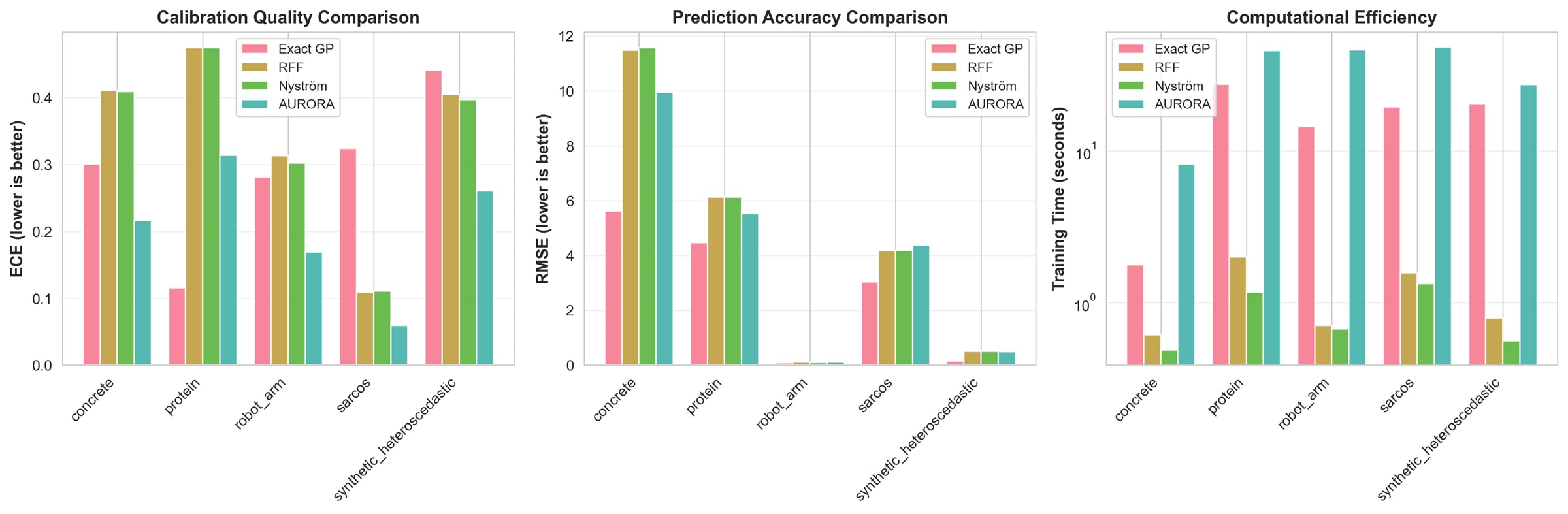
AURORA
A way to make Gaussian processes cheaper by giving the important parts of the data better approximations. The first evaluation said it improved calibration by 41%. Nine months later I audited my own work: the result came from a units bug. The follow-up reversed itself once more before it held up, and became a paper: adapt the noise by region, not the approximation.
6 min read
PENMOT
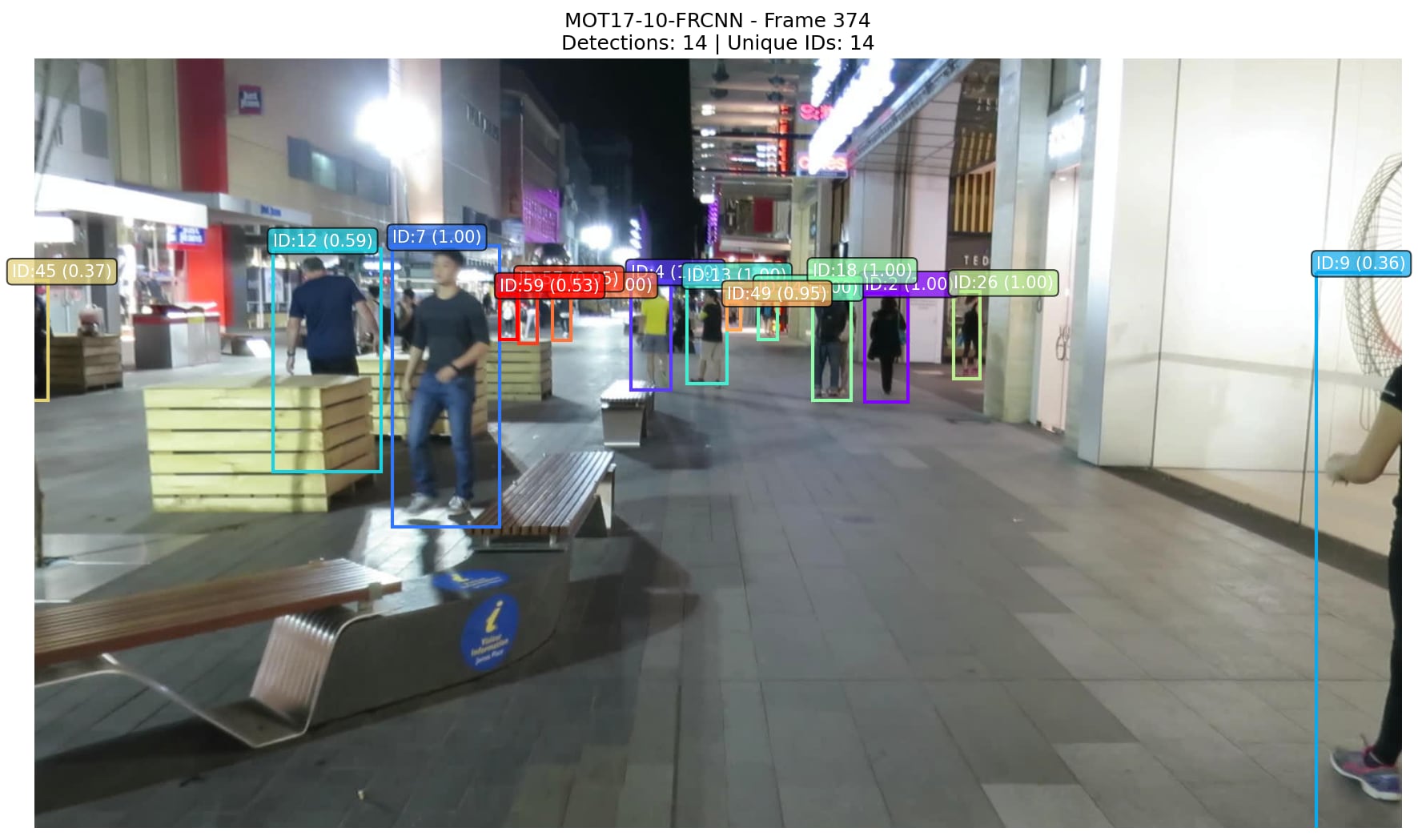
A multi-object tracker that learns to match people across video frames, instead of using the usual hand-built matcher. It trained well and matched frames well. Read honestly, its numbers say the hand-built rule still wins, and the report's own figures show why.
4 min read
Papers
AURORA - Adaptive Uncertainty-aware Regional Optimization for Regression Approximations
Northeastern University · December 2025 · with Alekhya Bulusu and Ming Ma · superseded
The original report on region-aware Gaussian process approximation. A later audit found its headline result (41% better calibration) came from a units bug; corrected, AURORA is worse than the exact GP it approximates. The corrected paper, “Predictive Variance Decides: Region-Aware Gaussian Processes Should Adapt the Noise, Not the Approximation”, is going to arXiv.
+ Cite− Cite
@techreport{manda2025aurora,
  title       = {{AURORA}: Adaptive Uncertainty-aware Regional Optimization for Regression Approximations},
  author      = {Manda, Kameswara Sai Srikar and Bulusu, Alekhya and Ma, Ming},
  institution = {Northeastern University},
  year        = {2025},
  month       = dec,
  url         = {https://www.srikarmk.dev/papers/aurora.pdf}
}
PENMOT - Permutation-Equivariant Networks for Multi-Object Tracking
Northeastern University · final report · with Chainathan Santhanam Sudhakar and Pranav Kompally
A learned, permutation-equivariant replacement for Hungarian matching in multi-object tracking: 82.6% MOTA on MOT17 validation with the best hybrid setup, though on the same boxes a plain overlap baseline scores 99%. The report digs into why.
+ Cite− Cite
@techreport{manda2025penmot,
  title       = {{PENMOT}: Permutation-Equivariant Networks for Multi-Object Tracking},
  author      = {Manda, Kameswara Sai Srikar and Santhanam Sudhakar, Chainathan and Kompally, Pranav},
  institution = {Northeastern University},
  type        = {Final Report},
  year        = {2025},
  url         = {https://www.srikarmk.dev/papers/penmot.pdf}
}
Smart Farming: A Machine Learning and IoT Approach
IRJET · May 2023
Machine learning and IoT sensing for crop and field monitoring.
Get in touch
Questions about my work, a role, or a project idea. Send a message here or email me directly.
Srikarmks@gmail.com